
Ka Mo'olelo o Waihe'e Golf Course: Archaeological Survey Reveals Historical Significance
In 1987 the ownership of Waiheʻe changed hands once again for only the third time since the Great Mahele of 1848. At this time it appeared that Waiheʻe would become a privately owned destination golf course. As one might expect, the people of Waiheʻe expressed both support and opposition to the project. According to those who remember these days, skepticism (and, to a degree, opposition) to the golf course appeared high, initially. Over time, however, the skepticism and opposition transformed into support, resignation and opposition, although not in equal measures. Not everyone loved the idea of a golf course, while some saw an opportunity to bring jobs to the local community. However, soon deep divisions emerged, with many in favor of the golf course while many continued to strongly oppose it. This opposition would only galvanize and strengthen as the archaeological inventory survey revealed the true significance of Waiheʻe in Maui’s history.
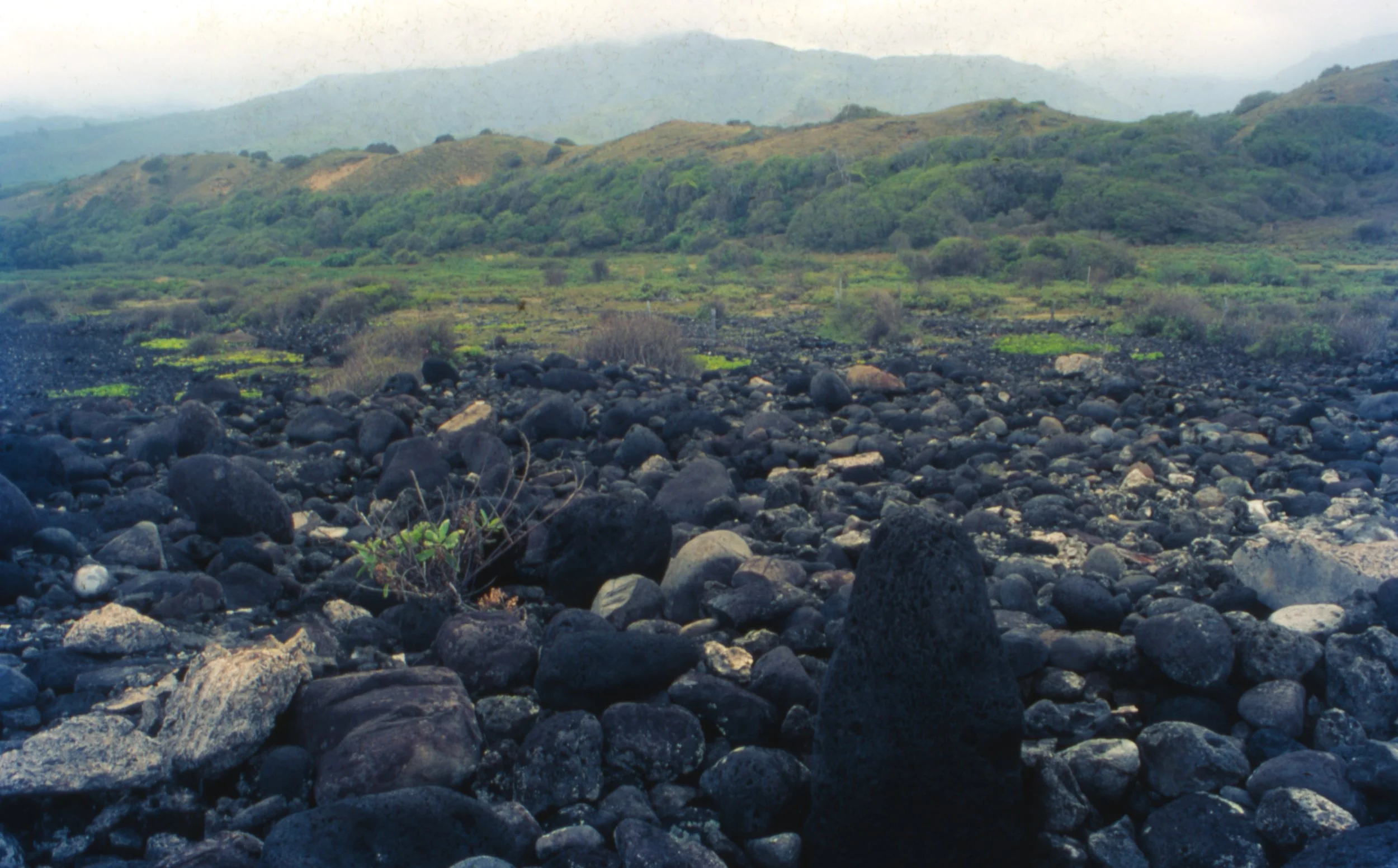
In order for a project to receive the permits needed to build the golf course, the Department of Land and Natural Resources’ State Historic Preservation Division required the Japanese golf course company, Sokan, and their Hawaiʻi subsidiary, Waiheʻe Oceanfront Hawaiʻi (WOH) to conduct a comprehensive archaeological inventory survey over the entire property. The archaeological firm hired to conduct the inventory survey, Paul H. Rosendahl, Inc. (PHRI) began their work in early 1989 and immediately began uncovering numerous archaeological sites. Over the course of several years, the archaeological sites recorded and mapped numbered over 100. These ranged in size and importance from relatively small collections of shell and bone midden (essentially ‘garbage,’ but a treasure trove for archaeologists), to house sites, including two villages, an inland fishpond and accompanying ʻauwai, two heiau and numerous burial sites dating from the ʻoiwi wale (pre-1778) period. Ultimately, this inventory survey confirmed and expanded what was known from the early archaeological surveys conducted by the Bishop Museum in 1965 and the research conducted by Dr. David Clark of the Catholic University of America in 1987.
This survey revealed that Waiheʻe was more important to understanding the history of Maui, and Hawaiʻi, than anyone could have imagined. Sadly, just as this knowledge was becoming known to the Maui community, plans were in the works that would forever alter this wahi pana, and any future investigation would become impossible. As the Maui community became aware of the significance of Waiheʻe, leaders in the Waiheʻe and Hawaiian community committed themselves to taking a stand to ensure the perpetual protection of these sites.
Several years before the proposed development at Waiheʻe, the Ritz-Carlton hotel chain decided to build a new resort at Honokāhua in Kapalua. During the archaeological inventory survey prior to the construction of the resort, approximately 1,000 sets of iwi kūpuna were uncovered. The anger, frustration and grief caused by the proposed construction of the resort and disinterrment of the iwi kūpuna, as well as other proposed developments, led to the creation of the island burial councils, a body formed to protect iwi kūpuna from desecration. The burial councils gave greater oversight to native Hawaiians to protect iwi kūpuna, and, in part, led to the relocation of the Ritz-Carlton resort to its current mauka location. Three of the early burial council members, Charles Kauluwehi Maxwell, Dana Naone Hall and Les Kuloloio were deeply involved in the ongoing work at Waiheʻe, and took extraordinary efforts to ensure that the iwi kūpuna would be treated with the respect and dignity they deserved.
In addition to the cultural sites identified earlier, the archaeological inventory survey also uncovered a number of iwi kūpuna at a number of locations across the proposed project area. The discovery of these iwi kūpuna necessitated the drafting of a burial treatment plan, a reality that would beguile WOHI, and ultimately contribute to the project failing to receive the necessary permits to begin the construction of the golf course.
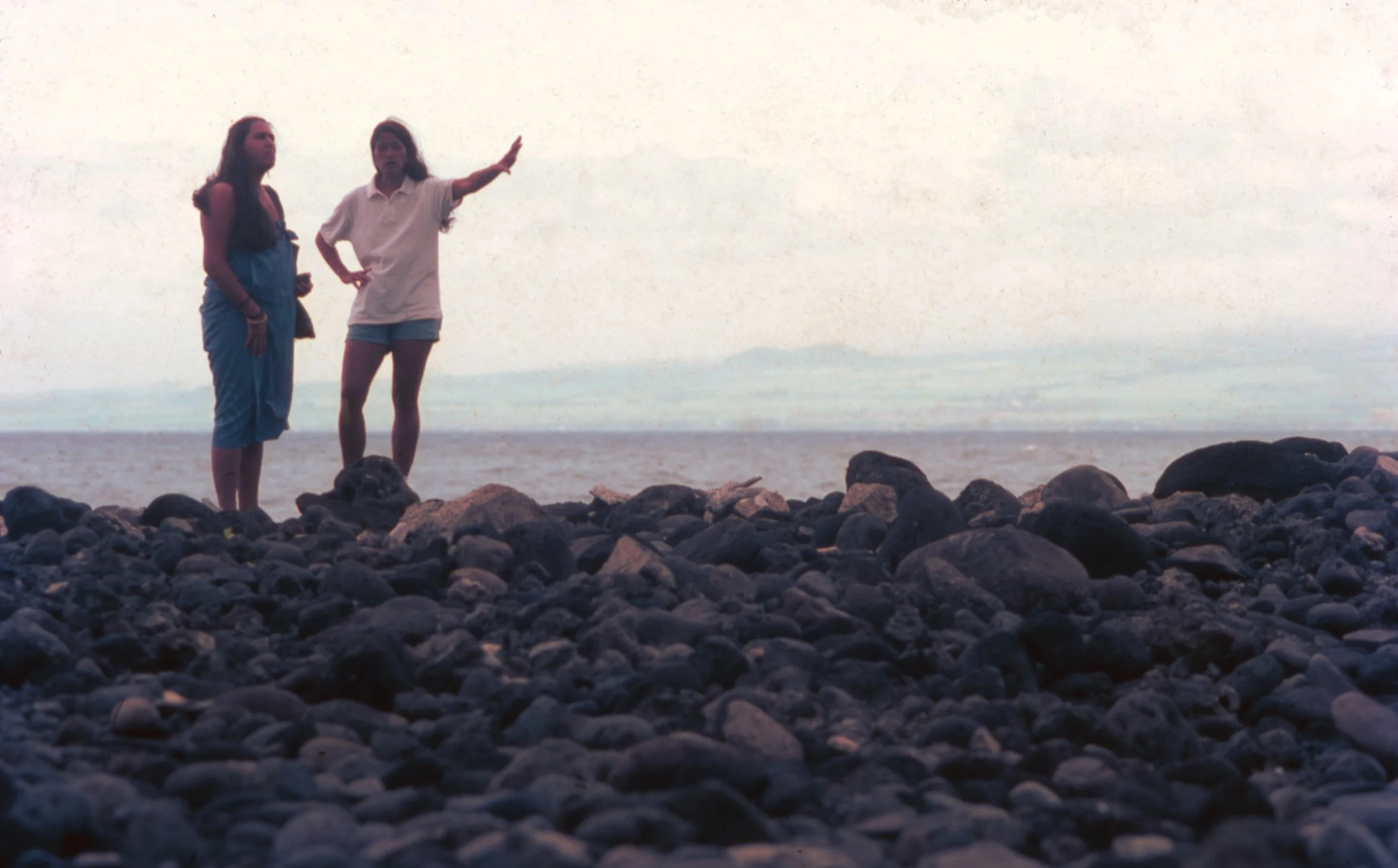
While PHRI and WOHI set about drafting a burial treatment plan, they also approached the Cultural Resources Commission (CRC), a county entity charged with ensuring the preservation of important cultural sites, with their intention to preserve the visible platform of Kealakaʻihonua heiau. However, the CRC quickly pointed out that the area of Kealakaʻihouna heiau included far more than just the area they proposed for preservation. One of the leaders of the CRC, Professor Kīʻope Raymond, recalled their unanimous insistence that preservation extend beyond the platform of the heiau to the mauka area with its numerous cultural sites and features.
It’s important to recall how close Kealakaʻihonua heiau came to being completely obliterated by bulldozers soon after the onset of the Second World War. While working the dairy cattle in the area behind the heiau, Marco Molina noticed a military bulldozer beginning to flatten the heiau in order to build a bunker in that area. Dismounting his horse, Mr. Molina apporached the bulldozer driver and let him know that the structure he was planning to destroy was a very sacred site. For reasons that are still not clear (to me, at least), the driver stopped his work, with the military authorities ultimately compromising by building the proposed bunker on top of the heiau. For those who might be interested, one of the bunker uprights is still visible just mauka of the heiau, with the initials of the soldier ʻSWKʻ and 1943 imprinted into the concrete. Perhaps most important, however, is the fact that one seemingly small action by Mr. Molina in 1942 led to the preservation of Kealakaʻihonua heiau, and important reminder of the importance of seemingly small actions to have profound, unforeseen and enduring results.
While opposition and support for the proposed golf course project among Waiheʻe residents fluctuated in the 1990s, some people in Waiheʻe decided to take a stand. Taking the lead on behalf of Waiheʻe residents opposed to the golf course project, Burt Sakata took on the role of an intervenor before the Land Use Commission and and the County Planning commission in order to prevent changes to the classification of the property. This role allowed Waiheʻe residents opposed to the golf course to express their concerns directly to the permitting agencies responsible for the project’s advancement.
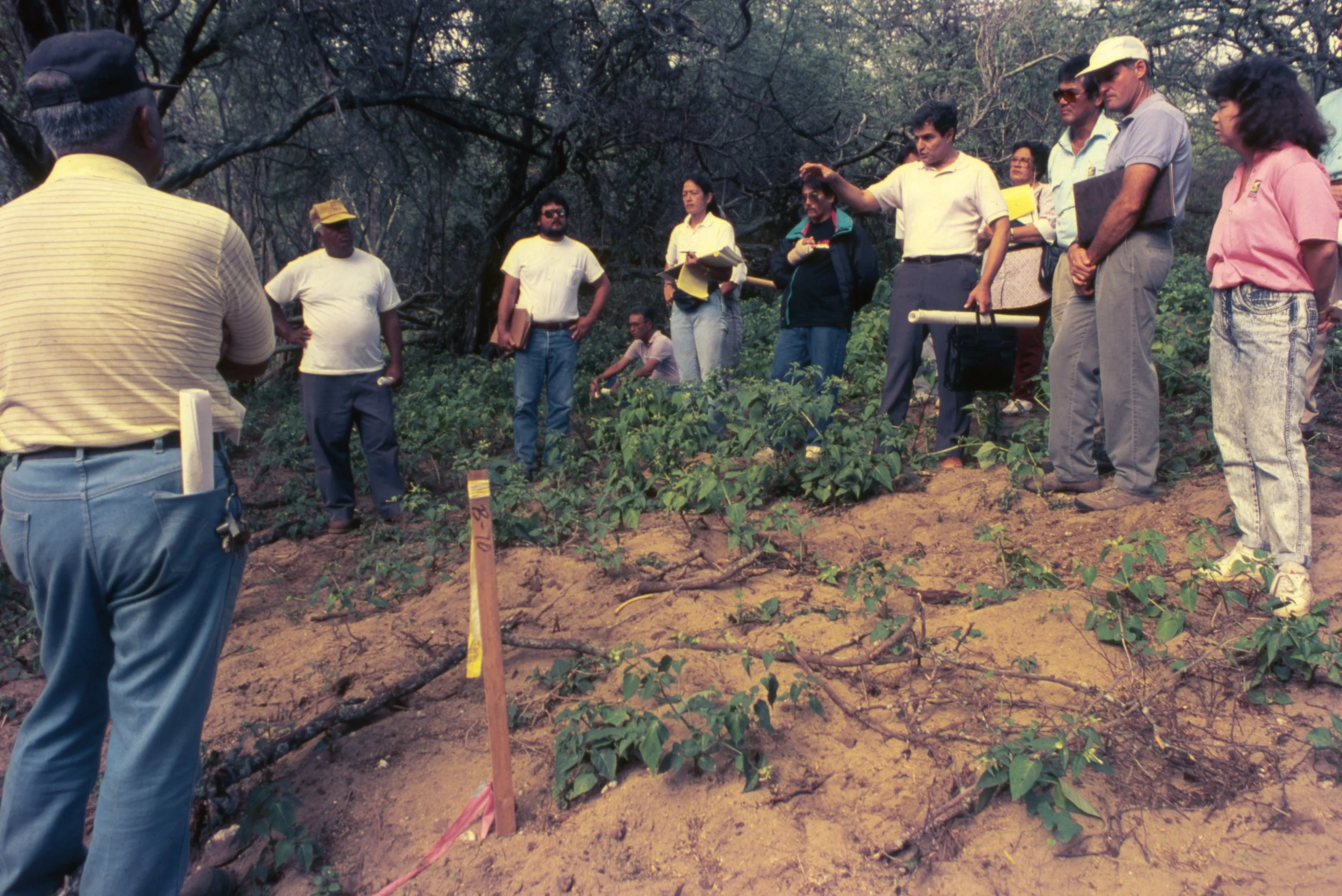
WOHI soon found itself on the defensive as they were required to address three main hurdles in order to move the project forward. First, WOHI needed to revise their development plans in order to address the numerous iwi kūpuna discovered during the archaeological inventory survey. This required a burial treatment plan acceptable to the burial council. Second their plan required further modifications and adjustments to address the concerns expressed by the CRC. Finally, WOHI needed to address the objections raised by the community intervenors. Considering this, WOHI’s work slowed down significantly, and nearly ground to a halt. While the early attempts to address these issues failed, WOHI took steps to adjust their plans, while also meeting regularly with the Waiheʻe Community Association. Reading through the minutes of these association meetings, it is clear to see that WOHI gained the support of several key residents of Waiheʻe, although notable pockets of opposition remained.
Perhaps the most significant obstacle to the construction of the Waiheʻe golf course came from the economic down turn in Japan. While the unresolved issues with the CRC and the burial council delayed the process and cost WOHI incurred, by the mid-1990s the recession in Japan made the future of the Waiheʻe Golf Course unfeasible. Ultimately, WOHI declared bankruptcy, membership to the golf course could not be sold on the Japanese Nikei index and, once again, the future of the makai lands of Waiheʻe were unclear. However, a few short years after the Waiheʻe golf course project came to an end, a group of Maui residents came together with a seemingly audacious plan: to preserve this land forever, for the benefit of the natural environment, the cultural resources, and for both current and future generations.
