
Planting Resilience at Waiheʻe: Kapuawailana Restores Maui’s Uluniu
Niu (coconut trees) have long been a vital resource for native Hawaiians and an enduring aspect of their heritage. Peʻe Loko, the space above Waiheʻe, is where Maui braided his lasso from coconut husks before capturing the sun on Haleakala.
Growing up on the north shore of Maui, Kiaʻi Collier, HILT’s Manager of ʻĀina Stewardship, was steeped in all aspects of Hawaiian culture – including the cultural significance of coconut trees.
“Incorporating Hawaiian practices into our lives, like planting and enjoying coconut trees, leads to empowerment and self-confidence,” he said. “When we give people the spaces to perform these practices, they become more aware of their own culture and identity.”
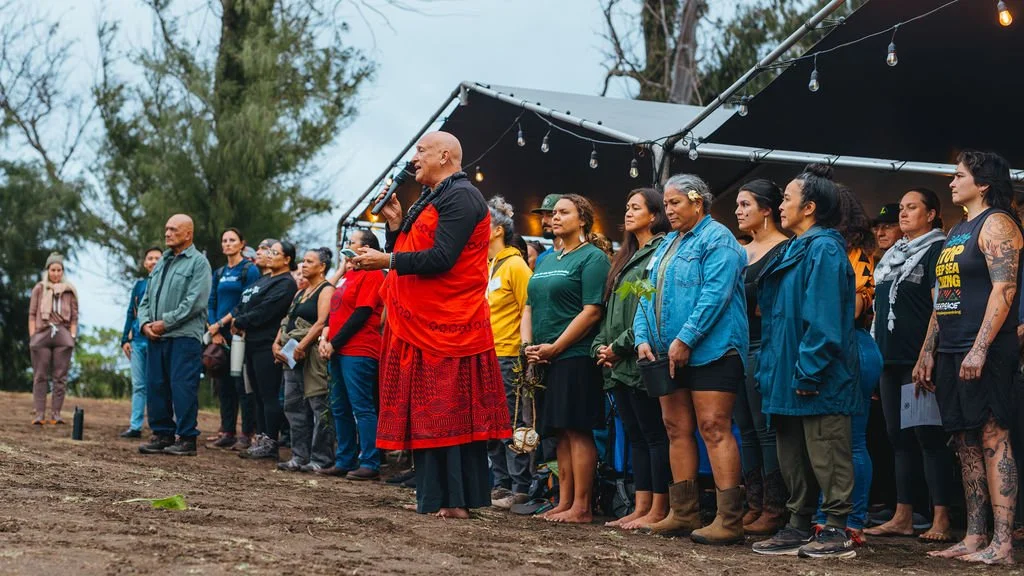
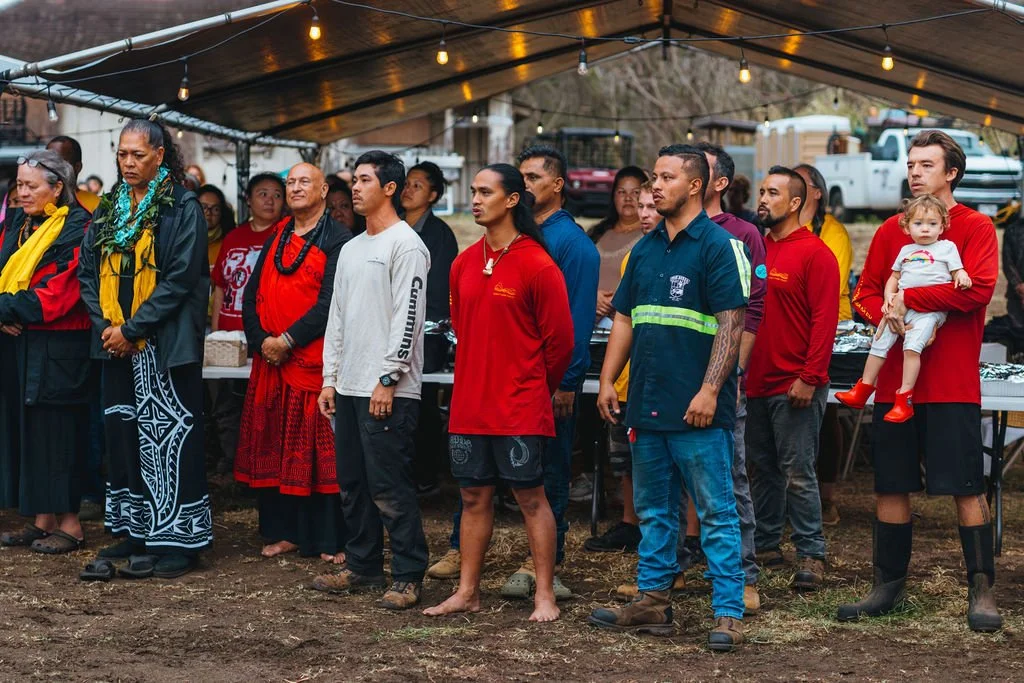
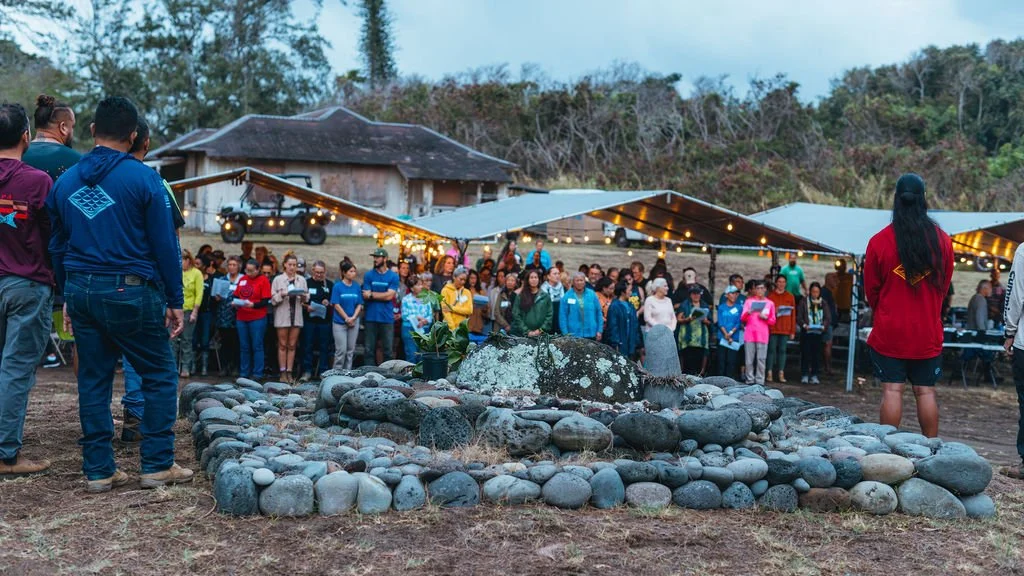
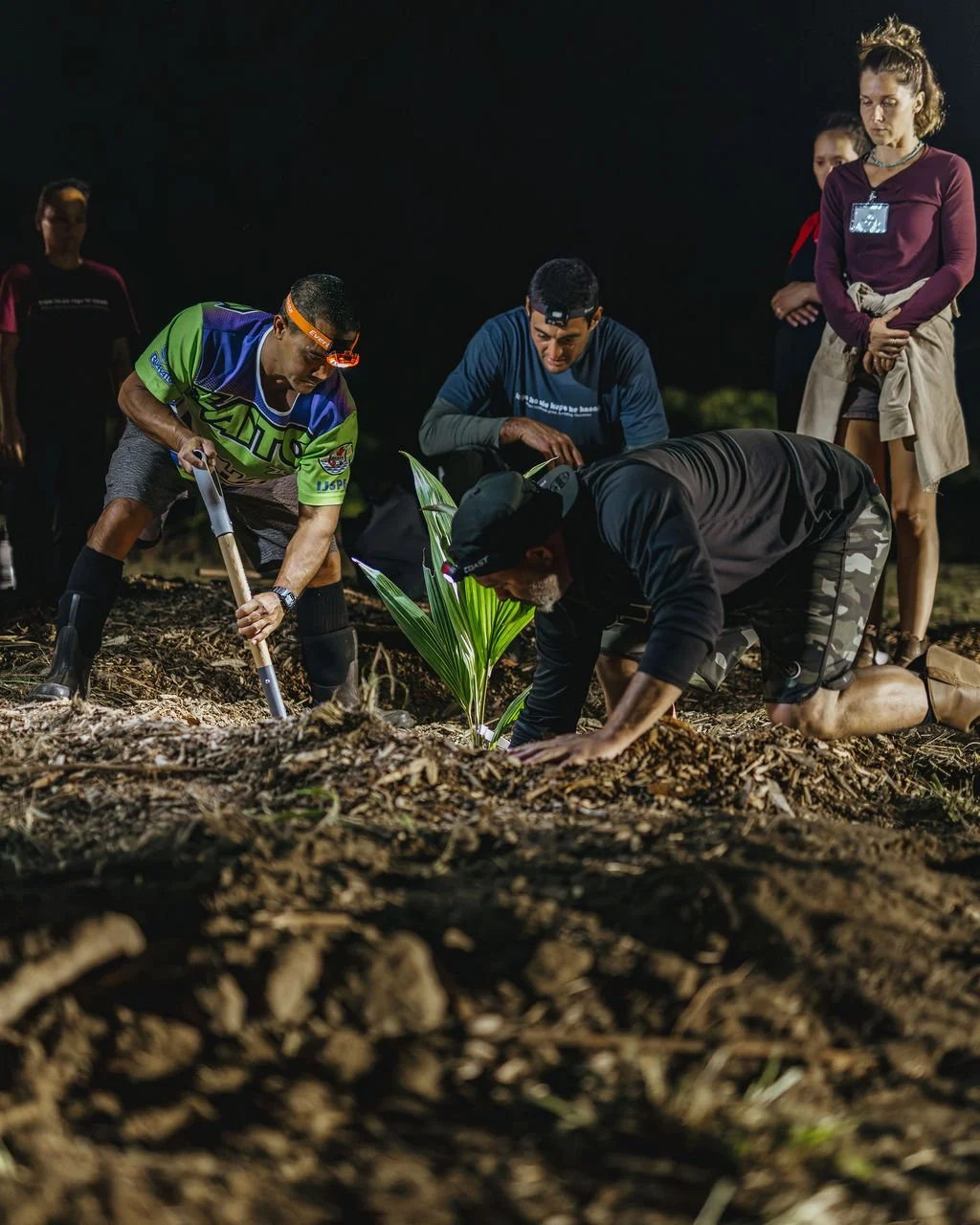
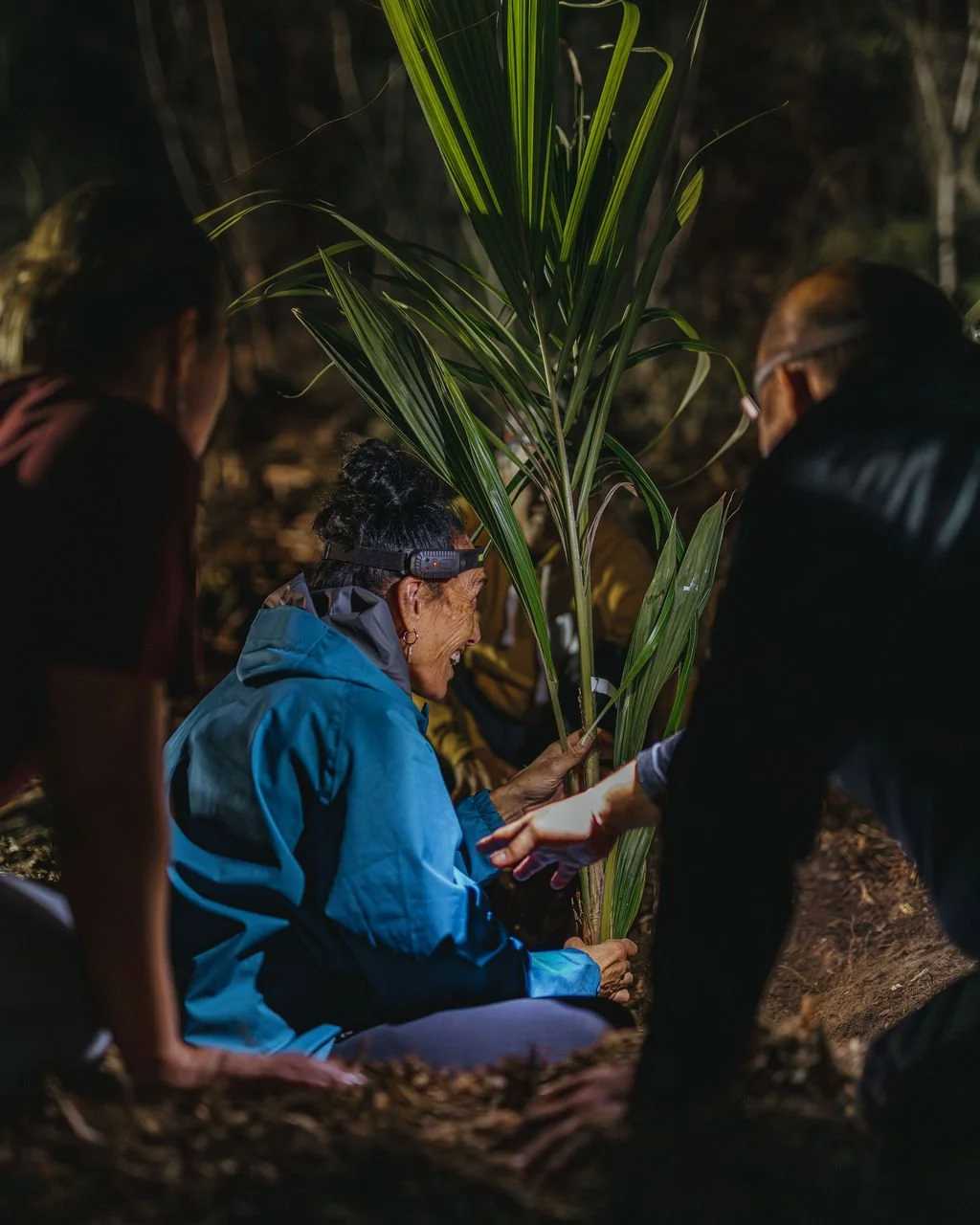
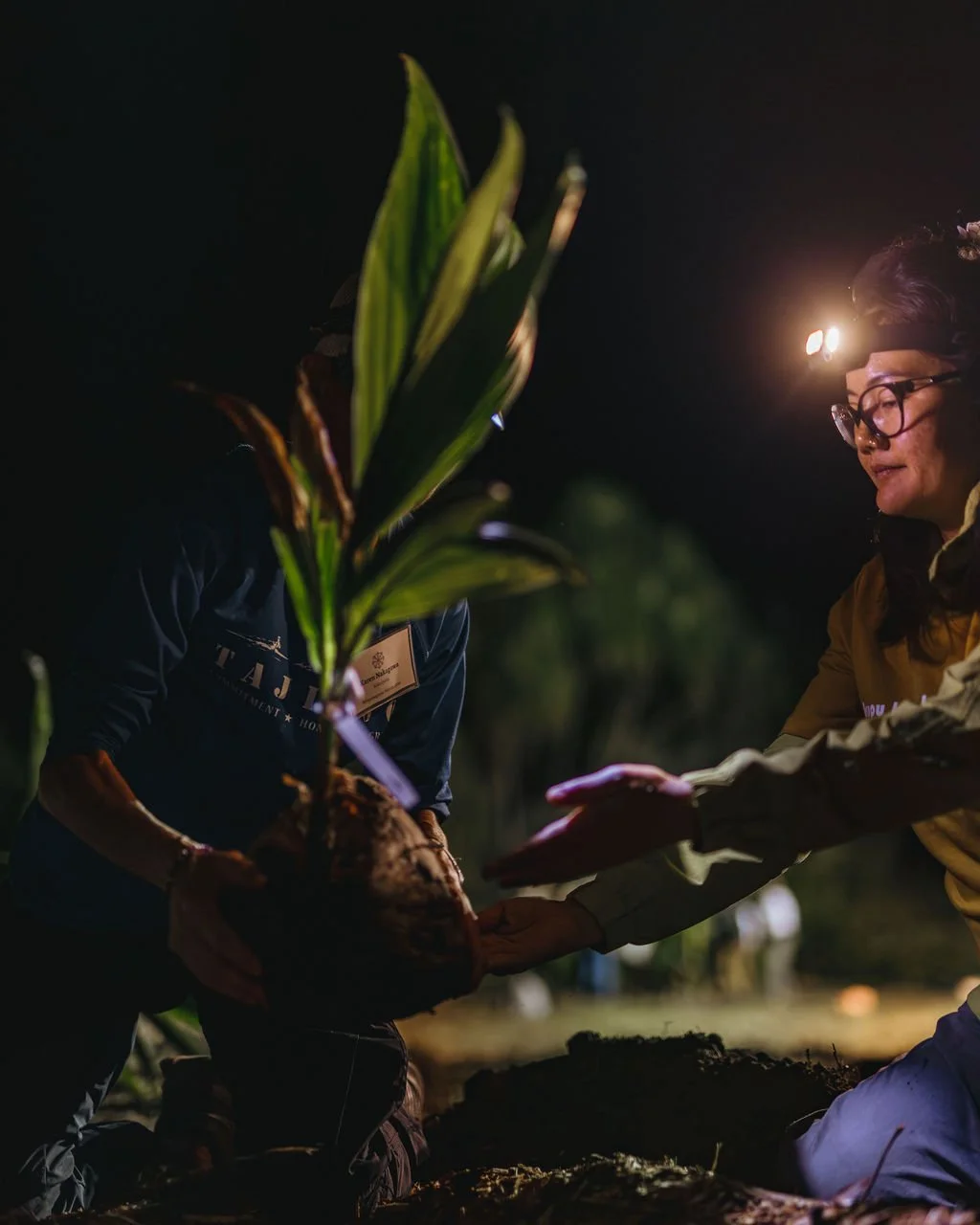
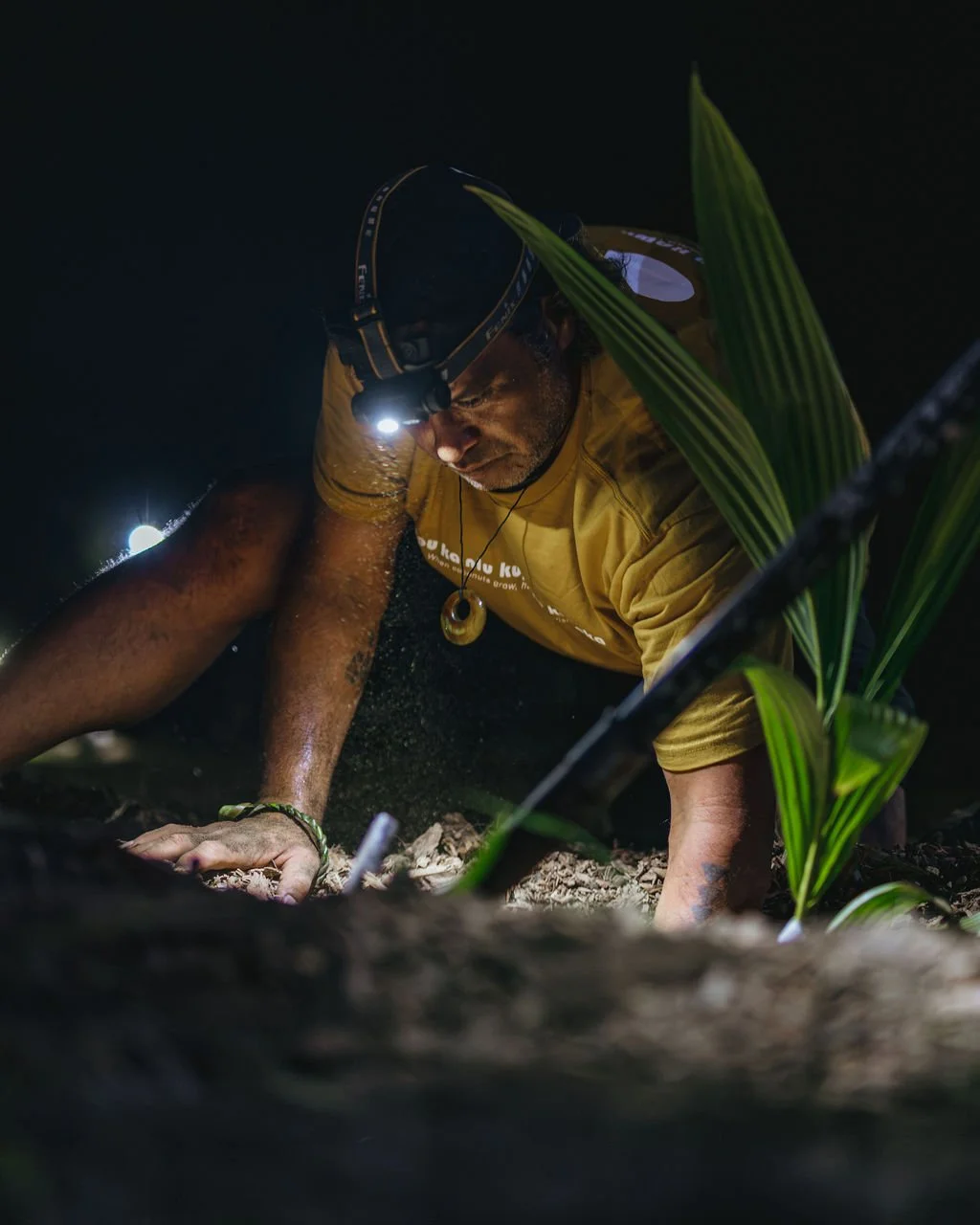
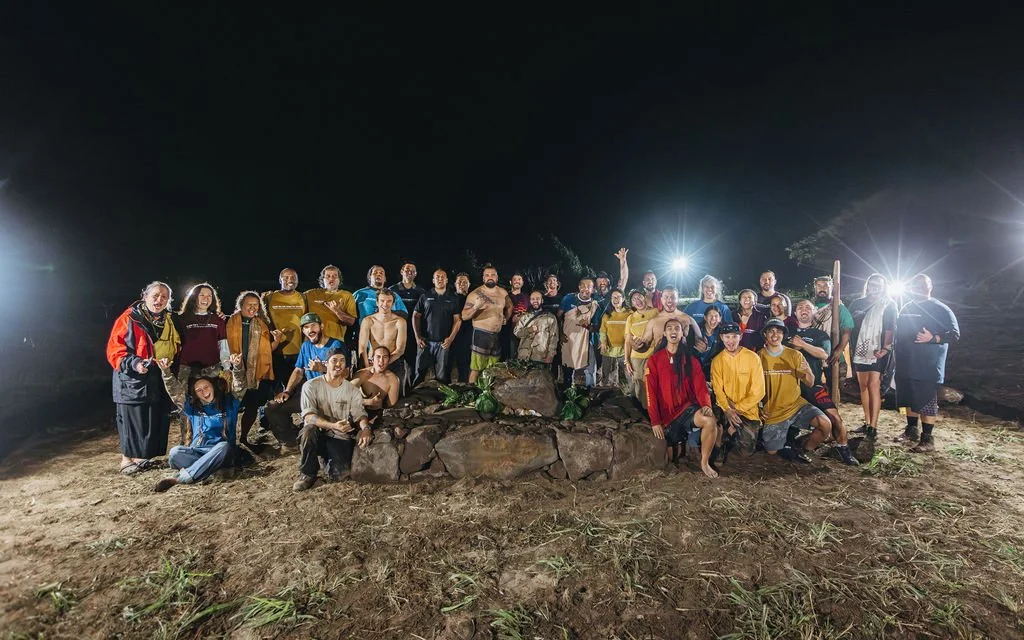
On January 22, Kiaʻi took part in ʻAha Hoʻoponopono 2026 to establish Kapuawailana uluniu, the first intentional coconut grove planting on Maui in just over 100 years. A group of about 100 people –haku hoʻoponopono, aloha ʻāina practitioners, hui kanaka ʻai pono, and mauliola agents and advocates – planted 133 seedlings representing 23 varieties of niu.
Kapuawailana honors the legacy of Liliʻuokalani, the last sovereign Queen of Hawaiʻi, and all kānaka honua who live by aloha through strength, honor, bravery, empathy, and resilience, and represents people who embody aloha akua (divine grace), aloha kānaka (human compassion), and aloha ʻāina (love for the land and homeland). The number 133 was chosen to represent the resilience of the Hawaiian Lahui over the 133 years since the overthrow of the Hawaiian kingdom.
The large-scale planting required months of preparation, including assistance from NiU NOW!, the community coconut program from Kaulunani, the State of Hawaiʻi’s Urban and Community Forestry Program within the Department of Land and Natural Resources’ (DLNR) Division of Forestry and Wildlife. Niu NOW! founder Indrajit Gunasekara, who works at the University of Hawaiʻi – West Oʻahu, and others from the organization, helped gather seedlings from Maui’s north shore and west side and will eventually also gather seedlings from Hana.
HILT staff, volunteers, and other community members readied the land with small “islands” on the ground, each of which now accommodates three seedlings and safeguards against unintentional cross-pollination. The one to three-foot seedlings are about one year old and will bear fruit at about 5 years of age.
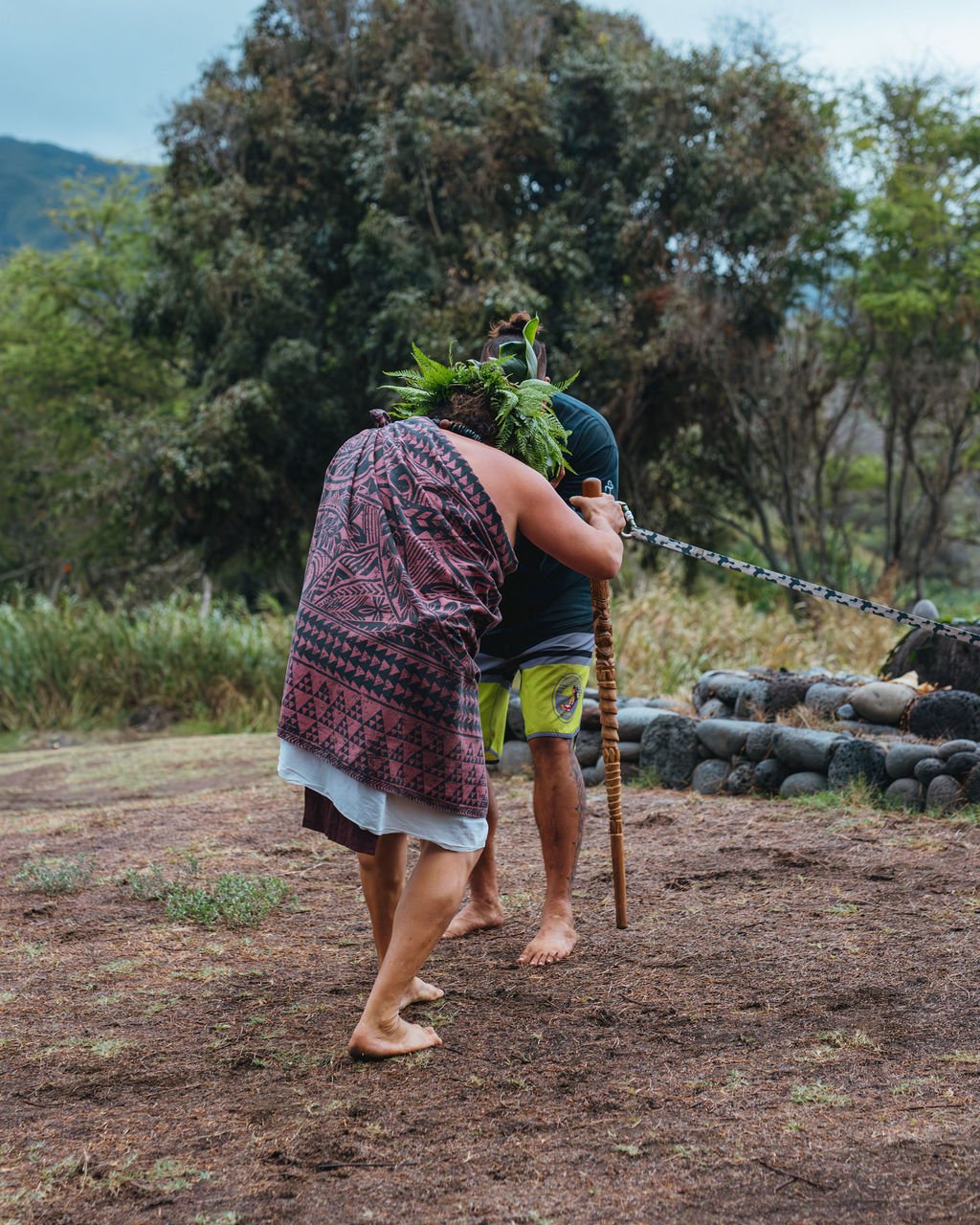
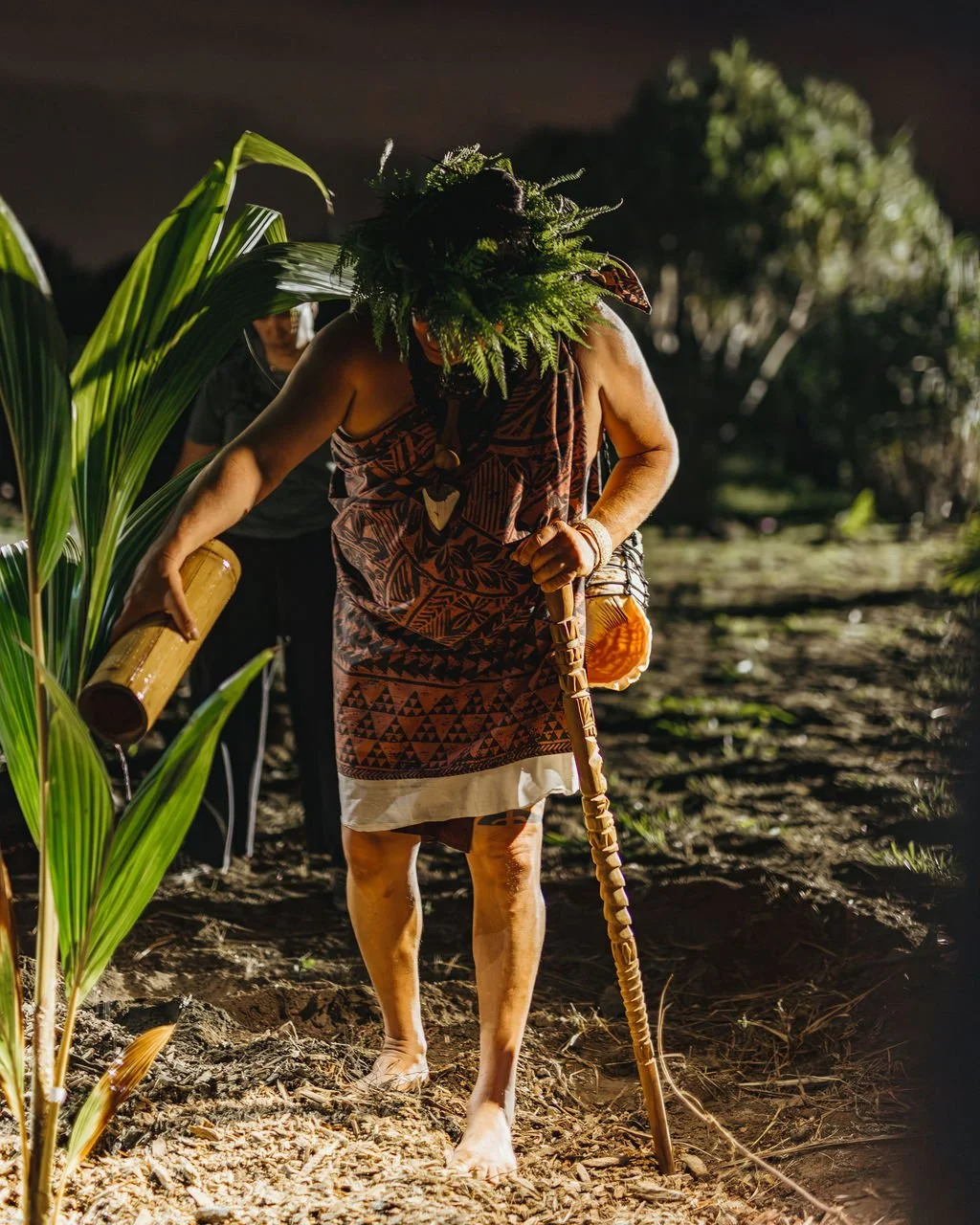
Kekaula Hanohano, the designated loea for Kapuawailana, has worked for NiU NOW! and learned from Indrajit for 10 years. Kekaula’s participation in Kapuawailana was part of his hoike to be recognized by NiU NOW! as a loea for the organization and its practices. Following the planting, he was recognized in an uniki ceremony.
“It was an amazing moment,” said Kiaʻi, who is one of the kahu of Kapuawailana. “As the loea of niu and Kapuawailana, Kekaula will continue to help steward and uphold the sacredness of Kapuawailana for generations to come.”
Photos courtesy of: Lang Creative Media