

SATURDAY, JANUARY 24, 2026
We proudly present the 24th annual Buy Back the Beach benefit lūʻau, an island style pā‘ina under the stars raising vital operational support for Hawai‘i Land Trust. We are excited to return to the Old Lāhainā Lūʻau and are incredibly grateful for their support of our return.
Hawaiʻi Land Trust serves as a dedicated partner, working with communities across the state to protect and steward invaluable coastal landscapes, farms and ranches, and wahi kupuna that define our unique heritage.
Buy Back the Beach, one of Maui’s most sought-after and exciting events, sells out each year! Your participation in this event directly supports HILT’s mission to protect, steward, and cultivate relationships with ʻāina on Maui and the rest of the State.
This year the event is 21 years+
This event is sold out. Mahalo to all of our table sponsors!
2026 Champions of the Land
D. Kapuaʻala Sproat & Isaac Moriwake
Hawai‘i Land Trust is pleased to honor D. Kapua‘ala Sproat, Director of the Ka Huli Ao Center for Excellence in Native Hawaiian Law and Professor of Law at the University of Hawai‘i at Mānoa William S. Richardson School of Law, and Isaac Moriwake, Managing Attorney of the Mid-Pacific Office of Earthjustice, at its 24th-annual Buy Back the Beach benefit lūʻau.
Sproat and Moriwake’s landmark legal work has helped protect water resources and Native Hawaiian water rights across Hawai‘i Pae ‘Āina.
On Maui, their work on the Nā Wai ʻEhā case spanning over two decades has enabled the ongoing restoration of the Kapoho Loko I‘a Kalo at HILT’s Waihe‘e Coastal Dunes & Wetlands Refuge, along with other native habitat and traditional and customary practices from Waikapū to Waiheʻe. The success of the Nā Wai ʻEhā case to restore stream flows and water rights on Maui has provided a powerful legal and community precedent for other water restoration cases across the islands, clearing the way for other communities to seek similar protections for their local water resources.
“Both Kapua and Isaac have worked tirelessly to uphold water rights for the benefit of the ʻāina and people of Maui,” said Scott Fisher, Ph.D., Director of ‘Āina Stewardship at Hawai‘i Land Trust. “Their tenacity and dedication have resulted in a more just and equitable sharing of the water, making Maui more sustainable and resilient as we face an uncertain climate future.”
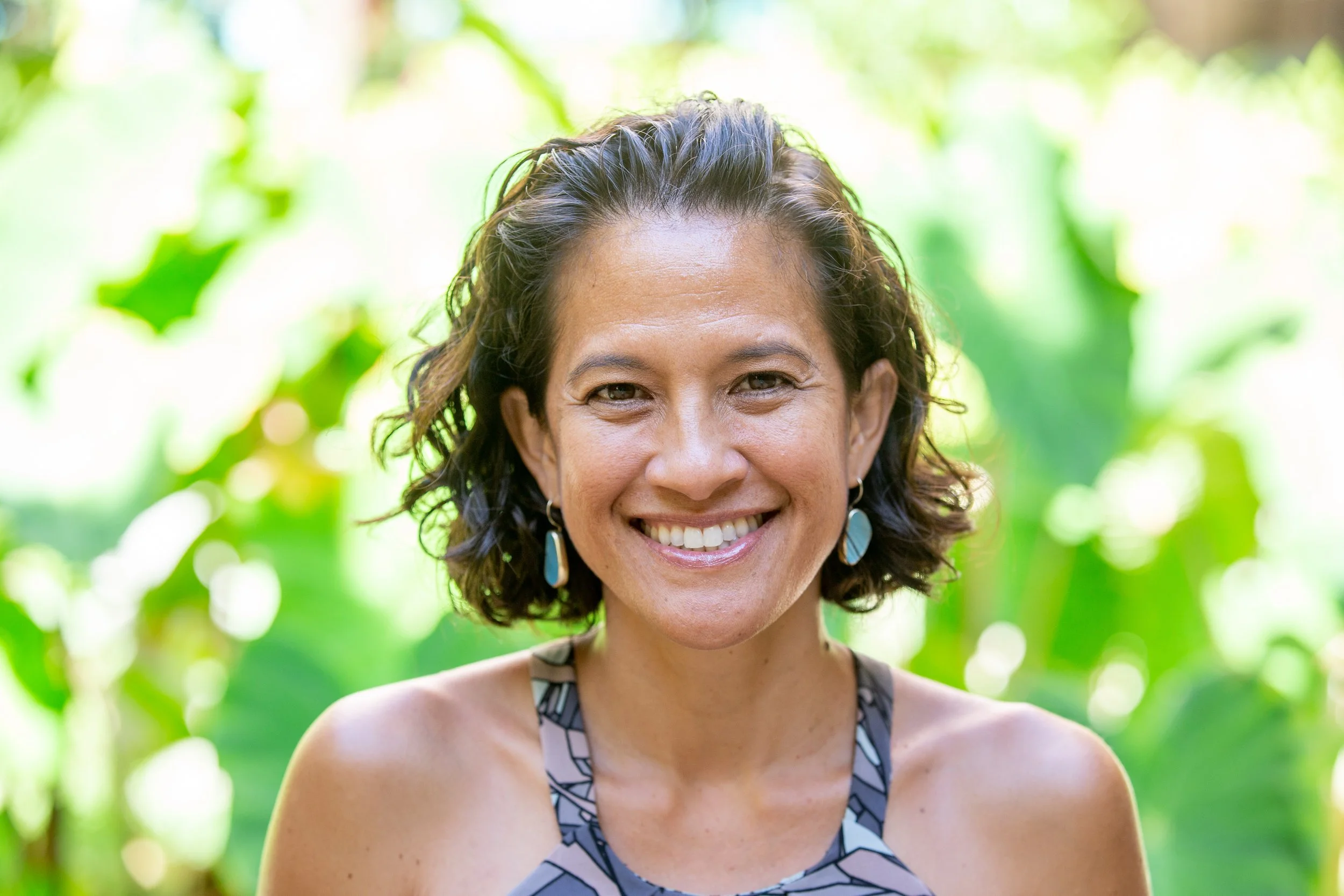
D. Kapuaʻala Sproat
Sproat joined the William S. Richardson School of Law in 2007 as an Assistant Professor with Ka Huli Ao Center for Excellence in Native Hawaiian Law and the Environmental Law Program. She currently teaches courses in Native Hawaiian and environmental law, and legal research and writing. She is also the Co-Director of the Native Hawaiian Rights Clinic.
Sproat previously served for almost a decade as an attorney in Earthjustice’s Mid-Pacific Office. She has worked tirelessly to preserve the resources necessary to perpetuate Native Hawaiian culture by litigating state and federal cases under the Endangered Species Act, Clean Water Act, State Water Code, and various Hawai‘i environmental laws. She was born and raised on Kaua‘i’s North Shore in Kalihiwai.
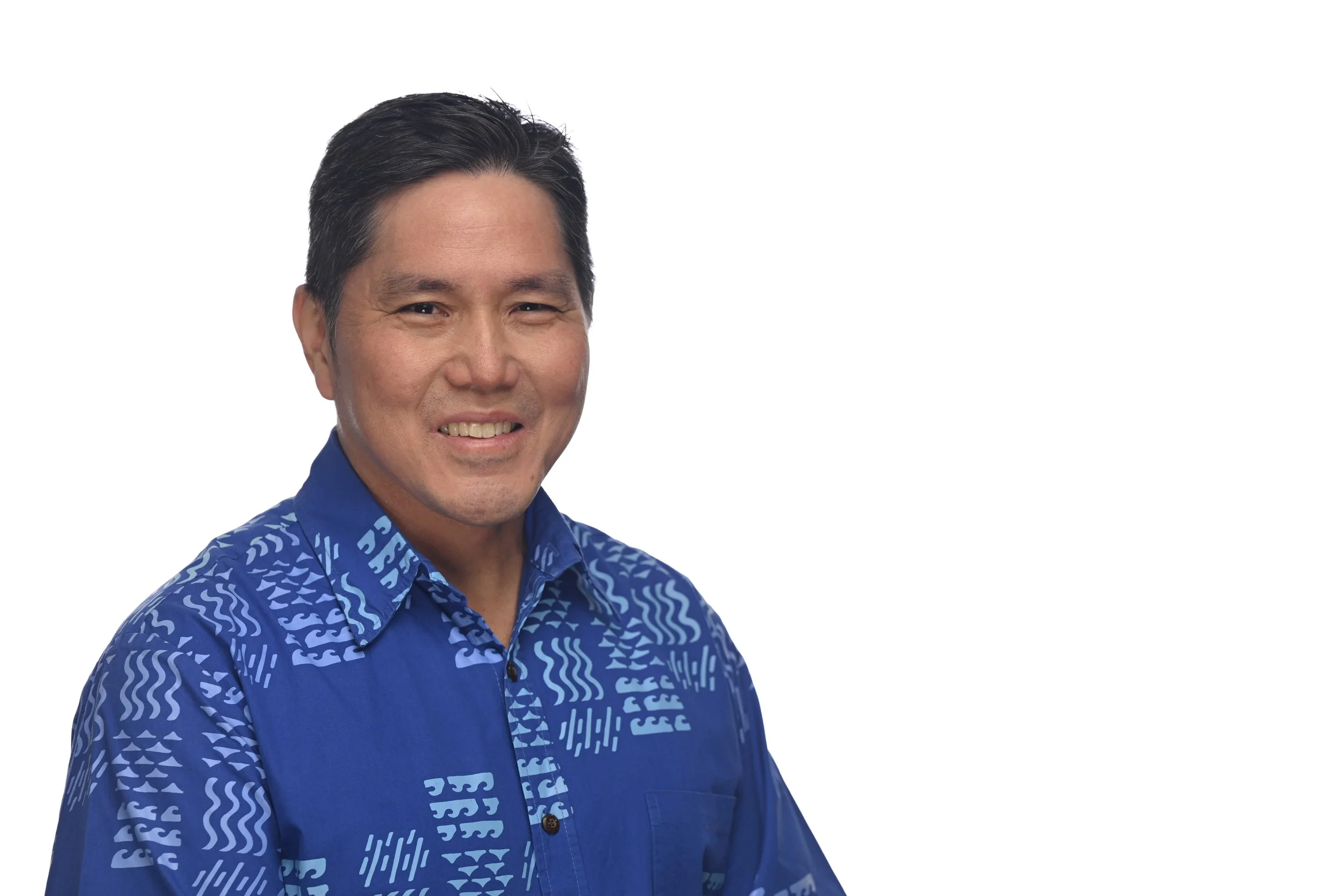
Isaac Moriwake
Moriwake in 2019 was named Managing Attorney of the Mid-Pacific Office of Earthjustice a national public-interest law firm that has served Hawai‘i and the greater Pacific region for almost four decades. His 25 years of legal practice includes litigation and advocacy before state and federal courts and agencies on a range of issues including water, climate, and environmental justice. Born and raised on O‘ahu, he graduated from the William S. Richardson School of Law and clerked for Justice Paula A. Nakayama of the Hawai‘i Supreme Court.
Notable cases Moriwake has handled include the Nā Wai ‘Ehā case and the Navahine youth climate case to decarbonize the state transportation system, both of which featured constitutional environmental rights. He is a Lecturer in Law at the William S. Richardson School of Law.
Featured Entertainment:
HAPA featuring Barry Flanagan & Anthony Pfluke
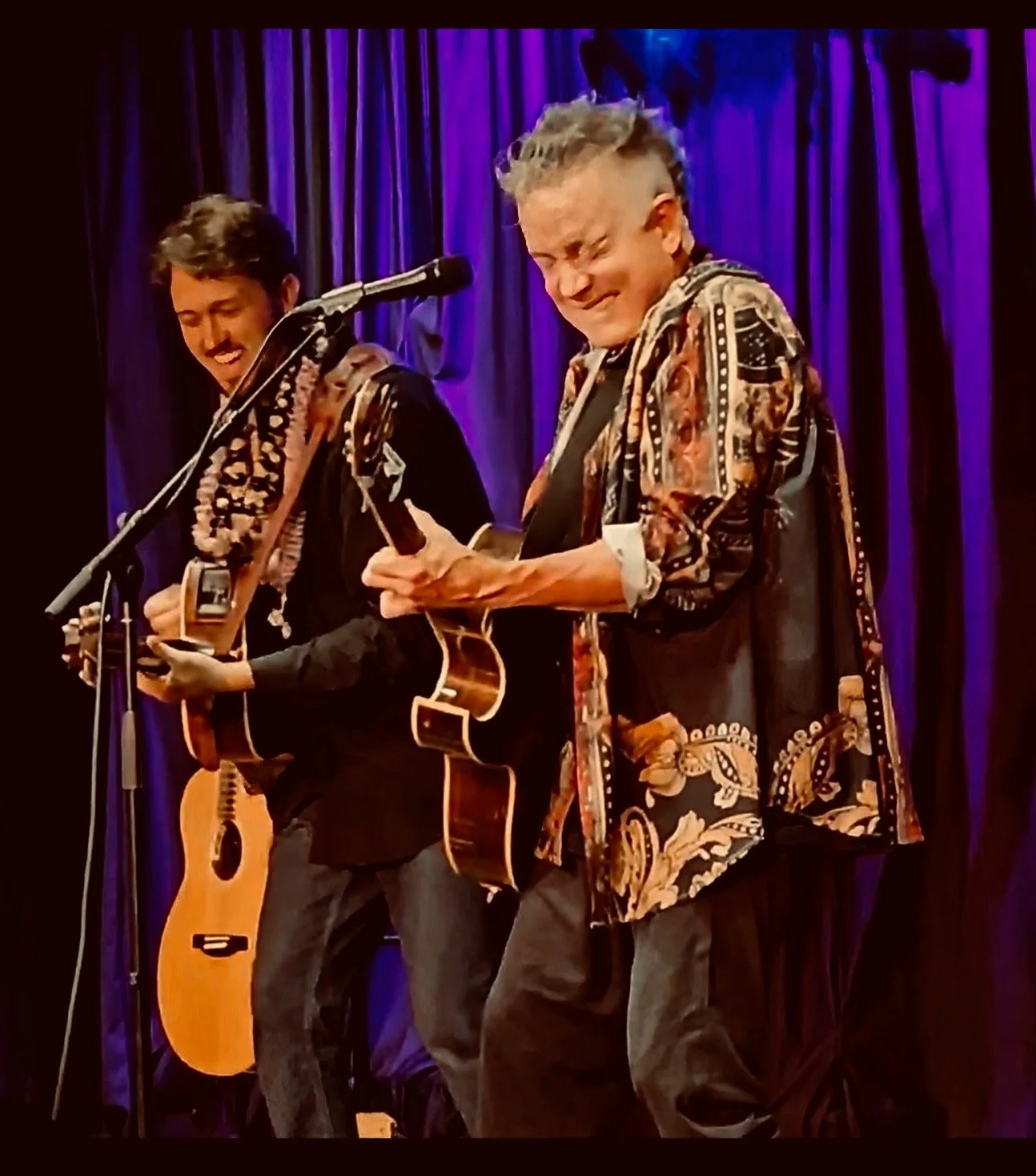
Often encapsulated as the “Sound of Maui” or the “Soundtrack of Hawaii,” the music and sound of the group HAPA evokes a place that many people have referred to as heavenly. The sound? Expect to hear hypnotic, liquid guitar runs woven around clear, tenor Hawaiian vocals and immaculate harmonies driven by poetic lyrics exulting the rapture of the Hawaiian landscape, history and mythology. Just add to this a dose of American Folk-Rock, you have what has been described, as “the most exciting and beautiful contemporary Hawaiian music the world knows” (Maui Times). The overriding quality of their music is one of passion, beauty and serenity, found in the majestic tones of the oli (chant), mele (song) and the exhilarating innovative sounds of virtuoso Guitar performances. “Masterful” is how Rock and Roll Hall of Fame inductee Stephen Stills describes the group’s Guitar skills.
The group’s recordings have infused fearless and brilliant production while weaving unique, inventive elements of sound and textures into their intricate South Pacific tapestry. Over the years, this has included adding such diverse instruments on their recordings as the Irish Uilleann Pipes, Hawaiian Pahu Drum and the Electric Sitar. Guest appearances have included a friend and Folk Rock icon Kenny Loggins singing in the Hawaiian Language; Internationally recognized Slam-Poet and Storyteller Kealoha; to the final recorded vocal performance by the “King of Hawaiian Entertainment” Don Ho. “Complex, sophisticated and flawlessly conceived and engineered, HAPA concerts and recordings are as elaborate and visceral as today’s Hawaii” (Kauai Times). These disparate ingredients blended together musically in the Pacific emote the unique favor of what Hawaii and HAPA music is: “Beautiful, fragile, spiritual, powerful” (Los Angeles Times). The New York Times called HAPA “the most successful group in Hawaii in recent history.”
HAPA’s self-titled debut CD released in 1993 became the biggest selling CD by a group or duo in the history of recorded Hawaiian music. The group’s debut CD changed the tide and thus terminology of music from Hawaii, since it was the first CD to establish itself outside of the musical category “Hawaiian Music” and be referred to as “World Music” by Billboard Magazine in 1993. Follow up CDs (“In the Name of Love,” “Namahana,” and “Maui”) debuted in the Top Ten of the Billboard Magazine World Music Chart. The group’s groundbreaking music has established them as the most recognized name in Hawaiian Music internationally since their debut release, and they are continuing their 30-year touring tradition of selling out intimate Supper clubs, Showrooms, Festivals and Performing arts centers from Tokyo to Sydney to New York. As Don Ho predicted in 1993, “what HAPA means and what their message is will touch and inspire generations.”
The collaboration between Barry Flanagan and Anthony Pfluke in today’s HAPA brings together two distinct musical voices that resonate with authenticity and artistry. Barry Flanagan, a founding member and a multiple awards-winning singer-songwriter, has composed some of Hawaii's most popular songs of the last four decades. Flanagan is an accomplished musician, composer, and producer who is known for his incredibly expressive guitar and soul-stirring vocals. His commitment to maintaining the beauty and intricacy of traditional Hawaiian styles while integrating contemporary elements has garnered him critical acclaim. Flanagan’s signature sound captures the soothing, melodic tones of slack key, often blending them with folk, blues, and rock influences, resulting in a rich, textured listening experience.
Anthony Pfluke is a virtuoso on the ukulele and slack-key guitar, and his expertise spans various genres, from traditional Hawaiian music to contemporary & reggae music making him a versatile and captivating performer. Pfluke’s intricate finger-style technique and ability to evoke both powerful emotion and delicate nuances through the ukulele have made him a sought-after collaborator and a revered solo artist.
Their performances are characterized by seamless harmonies, lush guitar and ukulele arrangements, and a shared commitment to celebrating the cultural richness of Hawaii while pushing the boundaries of the genre. Together, Flanagan and Pfluke create an expansive sound that appeals to both Hawaiian music purists and a new generation of listeners.